
Investing in gold in times of crisis: what the geopolitics of 2025 reveal
Introduction: Gold, the mirror of geopolitical tensions
Gold has always played a central role in wealth preservation strategies, particularly in times of crisis. In 2025, the global climate is marked by heightened geopolitical tensions, persistent economic instability, protracted armed conflicts and growing monetary uncertainty. Against this backdrop, institutional and retail investors alike are looking for assets capable of withstanding volatility, inflation and systemic shocks. Gold, with its scarcity, universal liquidity and independence from currencies, is once again a strategic pillar. The aim of this article is to explore the underlying mechanisms by which geopolitical events impact the price of gold, and to determine which investment decisions should be made in this uncertain environment.
🌍 1. The global geopolitical context in 2025
🔥 Major ongoing tensions
In mid-2025, the planet is riven by a number of geopolitical tensions that are having a profound impact on global economic stability. The conflict in Ukraine, far from subsiding, is intensifying with the indirect involvement of several Western powers via massive military aid, fuelling a prolonged Cold War climate. In Asia, China stepped up its pressure on Taiwan, prompting military responses from the USA and Japan, and leading to disruptions in global supply chains, particularly for semi-conductors. In the Middle East, a series of targeted strikes between Iran and Israel threaten the regional balance, while oil prices soar, amplifying global inflationary tensions. At the same time, the US presidential elections are giving rise to serious concerns about the continuity of economic policies, accentuating risk aversion. This explosive geopolitical cocktail is driving markets to seek out shock-resistant assets with long-term credibility.
📈 2. Why the price of gold rises in times of crisis
🛡️ A safe haven par excellence
In times of crisis, confidence in fiat currencies, equity markets and government bonds is eroded, particularly when governments post record levels of debt and a loss of fiscal credibility. Gold, on the other hand, has no issuer: it cannot be printed, devalued or sanctioned by political decision. It is this absolute neutrality that attracts capital in times of global stress. As investors withdraw from risky assets, demand for physical and financial gold explodes, mechanically driving up its price. This phenomenon was confirmed in April 2025, during the destruction of oil infrastructures in Yemen: the price of gold rose from $2,050 to $2,260 in the space of three weeks, driven by increased global demand and market panic.
📊 Correlation with inflation and interest rates
Gold is also particularly responsive to inflationary dynamics, often aggravated by geopolitical conflicts. When energy or commodity prices soar, inflation spills over into global economies, reducing purchasing power and eroding the value of currencies. In response, central banks have to choose between raising rates and supporting growth. But even if rates rise, as long as inflation remains higher than real yields, gold retains its appeal. In 2025, despite a gradual rate hike by the US Federal Reserve, gold will continue to perform well, as inflation expectations remain high and geopolitical risks weigh heavily on the global economic outlook.
💰 3. How to invest in gold in 2025?
💎 The main forms of investment
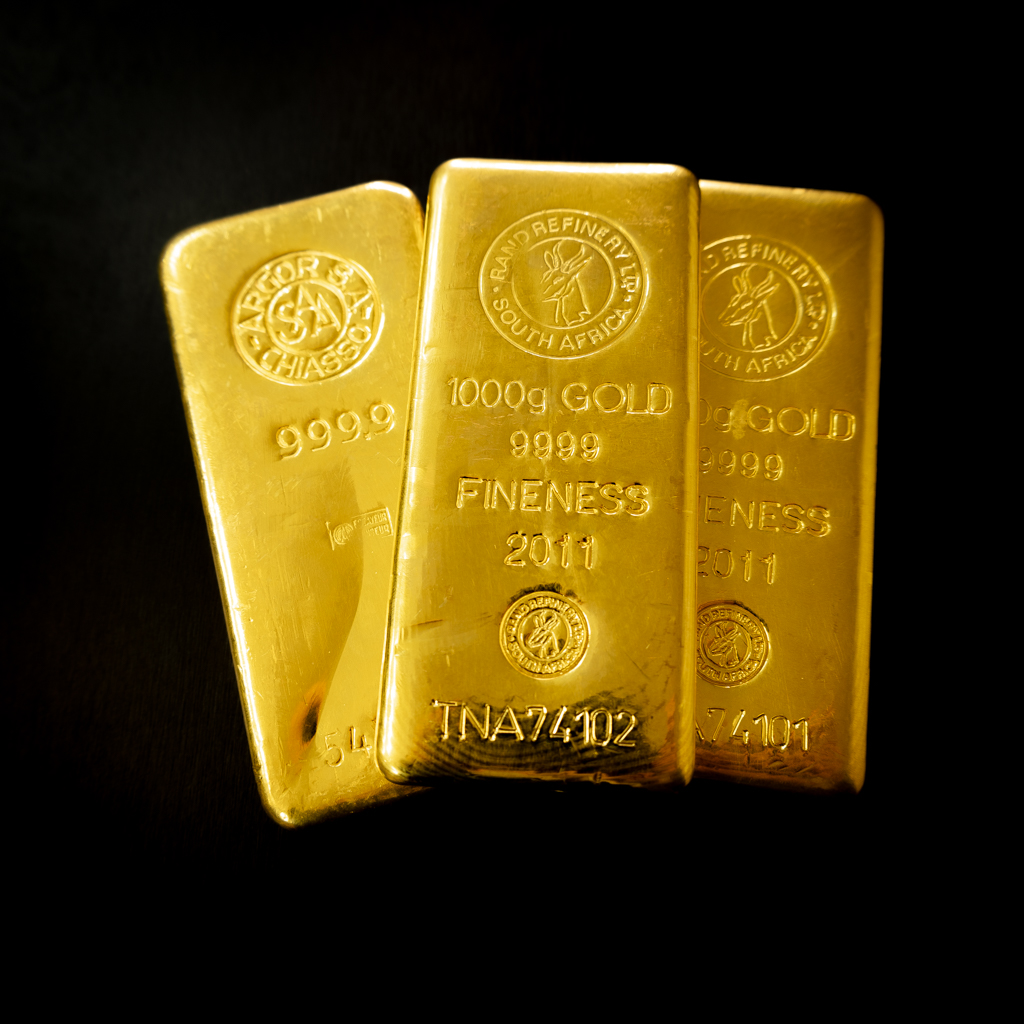
There are many ways to gain exposure to gold, each with its own specific objectives. Physical gold - bullion, bullion coins, allocated gold certificates - represents the most direct and secure form of exposure in the event of a systemic crisis or bank failure. ETFs backed by physical gold, such as SPDR Gold Shares (GLD), enable investors to invest easily via the stock markets, while benefiting from liquidity. For investors looking to capture leveraged performance, shares in gold mining companies (Barrick Gold, Newmont, Agnico Eagle) offer indirect but potentially more volatile exposure. Finally, gold futures are reserved for experienced profiles: they enable sophisticated strategies, but present a high risk.
🧠 Recommended strategies
In a context as unstable as 2025, investing in gold should be part of an advanced asset diversification strategy. It is recommended to dedicate between 10% and 20% of one's portfolio to gold, depending on one's risk profile and tolerance to volatility. A "buy and hold" approach makes sense over the long term, but active management can help you take advantage of rapid price rises linked to geopolitical shocks. Gold should also be integrated into a multi-asset strategy that includes solid sovereign bonds, cash in safe-haven currencies (CHF, USD) and possibly stable crypto-assets. It is essential to avoid impulse buying at market peaks: the ideal approach is to gradually build up your position via technical entry points or corrective retracements.
⚠️ 4. Risks and limits to consider
🔄 Short-term volatility
Contrary to popular belief, the price of gold can fluctuate sharply in the short term, even in periods of uncertainty. Gold's volatility is often amplified by speculative movements on futures markets and by position adjustments by institutional funds. What's more, gold can sometimes correct violently when tensions temporarily ease, which can trap novice investors. It is therefore crucial not to confuse protection against long-term instability with consistent short-term performance.
🇺🇸 Impact of the dollar and US interest rates
Gold prices are generally denominated in US dollars. An appreciation of the greenback, often linked to the Fed's restrictive monetary policy, tends to weigh on gold by making it more expensive for non-dollar buyers. Conversely, if the dollar weakens, gold benefits. Investors should therefore keep a close eye on Fed announcements, US inflation data and bond market movements. In 2025, the dilemma between fighting inflation and supporting the economy makes monetary policy difficult to anticipate, adding another layer of complexity to the analysis of the gold market.
📌 Conclusion: Anticipate to invest better
In the geopolitically-intensive global context of 2025, gold is regaining its legitimacy as an instrument of capital protection. Faced with rising systemic risks, fragmentation of economic blocs and a general loss of confidence in financial institutions, it is becoming a central component of any prudent, well-informed wealth strategy. However, this investment requires a detailed understanding of geopolitical, monetary and technical dynamics. At a time when economic predictability seems to have disappeared, investing in gold is no longer a simple option: it's a necessity to secure the value of one's savings in a changing world.