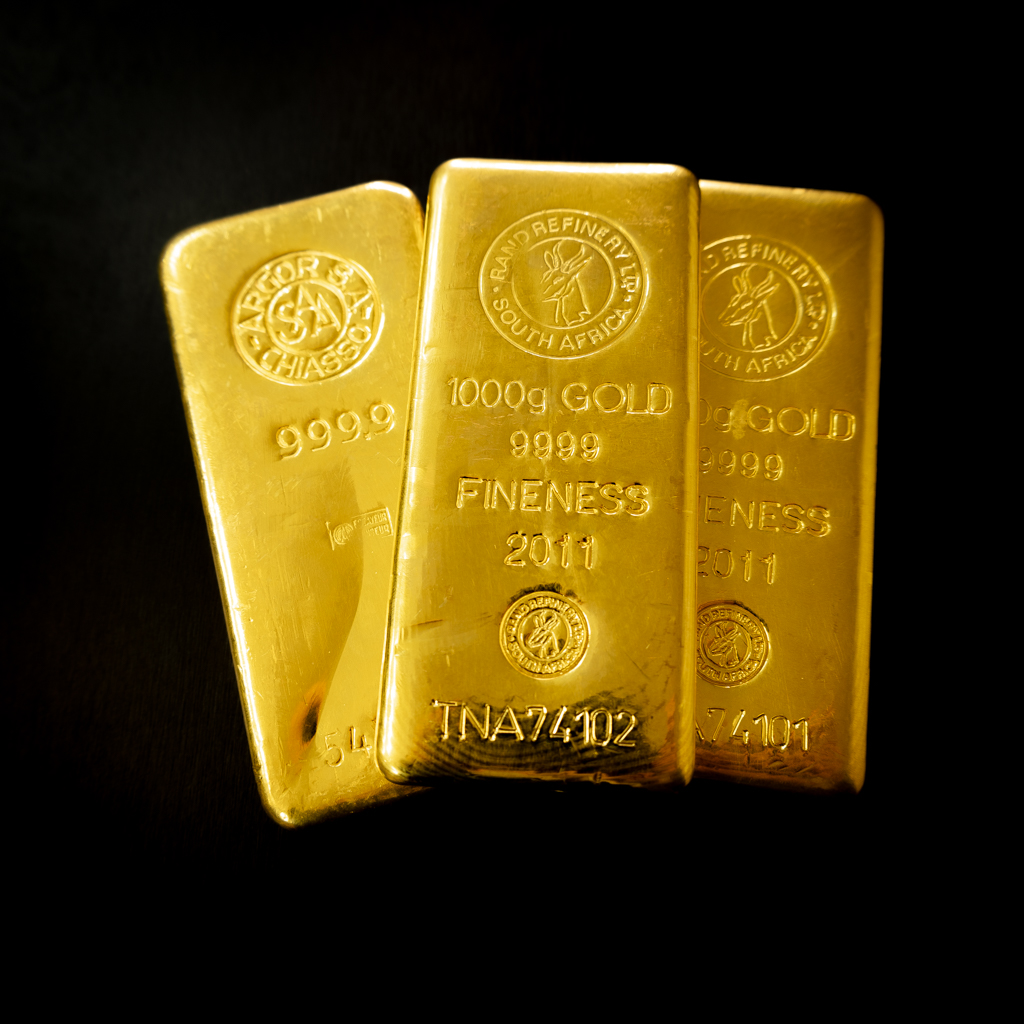

Where to buy cheap gold jewelry | Guide 2025
Discover the 7 best countries to buy gold jewelry for less. Compare prices, quality and tax advantages for a smart purchase abroad.
Introduction
Gold has fascinated people since the dawn of time: a symbol of wealth, an object of desire, a store of value and a cultural treasure. However, the price of gold jewelry is not limited to the price of the metal alone: it also depends on craft tradition, taxation, labor costs and the role of gold in local culture. To help you unearth the best bargains, we present here 7 must-see territories where gold is traded at bargain rates, while exploring their historical and sociological links with this precious metal.
1. Dubai (United Arab Emirates)
History and culture of gold
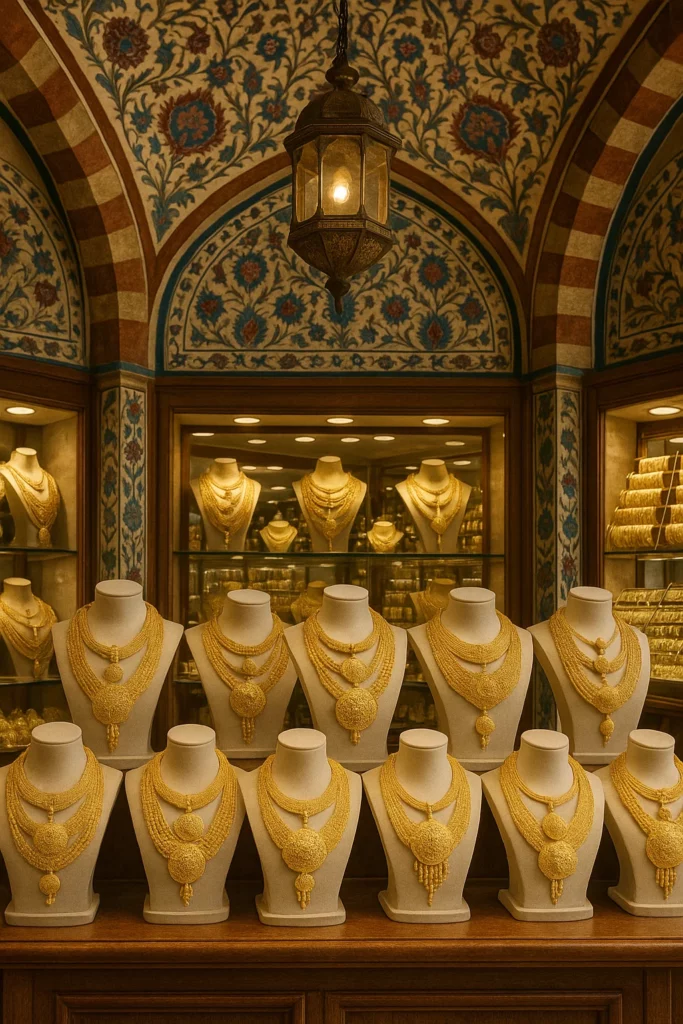
Since the 1960s, Dubai has established itself as a commercial crossroads between Asia, Europe and Africa. The free trade zones and absence of VAT have made the Deira Gold Souk, opened in 1940, the largest wholesale gold market in the world. The Emiratis perpetuate a Bedouin tradition in which gold is not just an ornament, but a family asset handed down from generation to generation.
Industry and quality
- Purity: mainly 22 and 24 carats (91.6% to 99.9%).
- Crafts: jewelers trained at schools in Dubai and Sharjah, combining ancestral know-how with contemporary design.
- Taxation: 0% tax on the purchase of physical gold, provided it is bought in one of the tax-free zones.
Tip: Always negotiate the price per gram, especially early in the morning when prices change.
2. India
Cultural and historical role
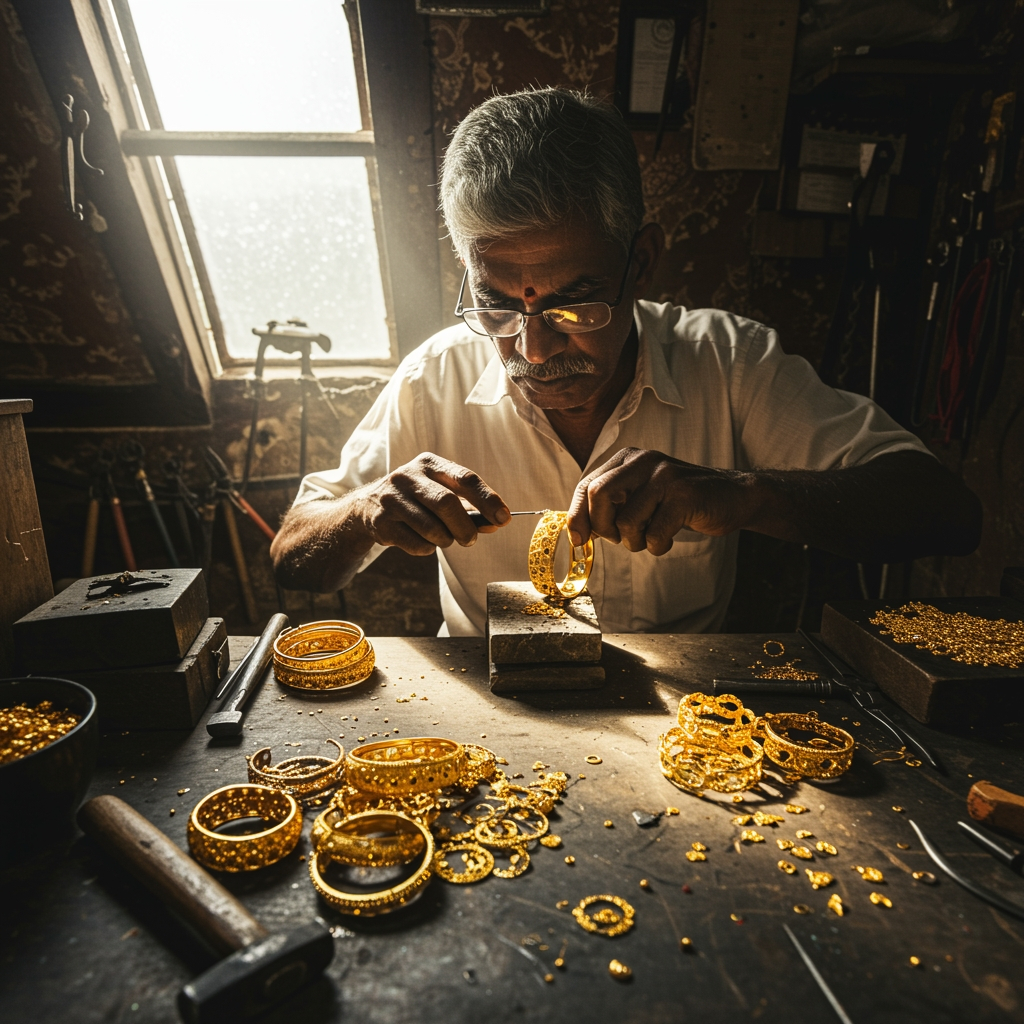
India is the world's leading consumer of gold, with a tradition that goes back thousands of years: on the occasion of weddings or religious festivals (Diwali, Akshaya Tritiya), the purchase of gold is a sacred act. Since ancient times, empires such as the Gupta (4th-6th centuries) have forged a rich goldsmith's art of filigree and engraving.
Industry development
- Major centers: Mumbai (Kalyan), Jaipur (silver and gold smiths), Kolkata.
- Techniques: "kundan" (inlay of precious stones in gold), "meenakari" (delicate enamel).
- Regulations: import duties for tourists (approx. 12% + local tax), but competitive prices thanks to internal competition.
Caution: To avoid unpleasant surprises, ask for a BIS (Bureau of Indian Standards) certificate for purity.
3. Thailand
Heritage and beliefs
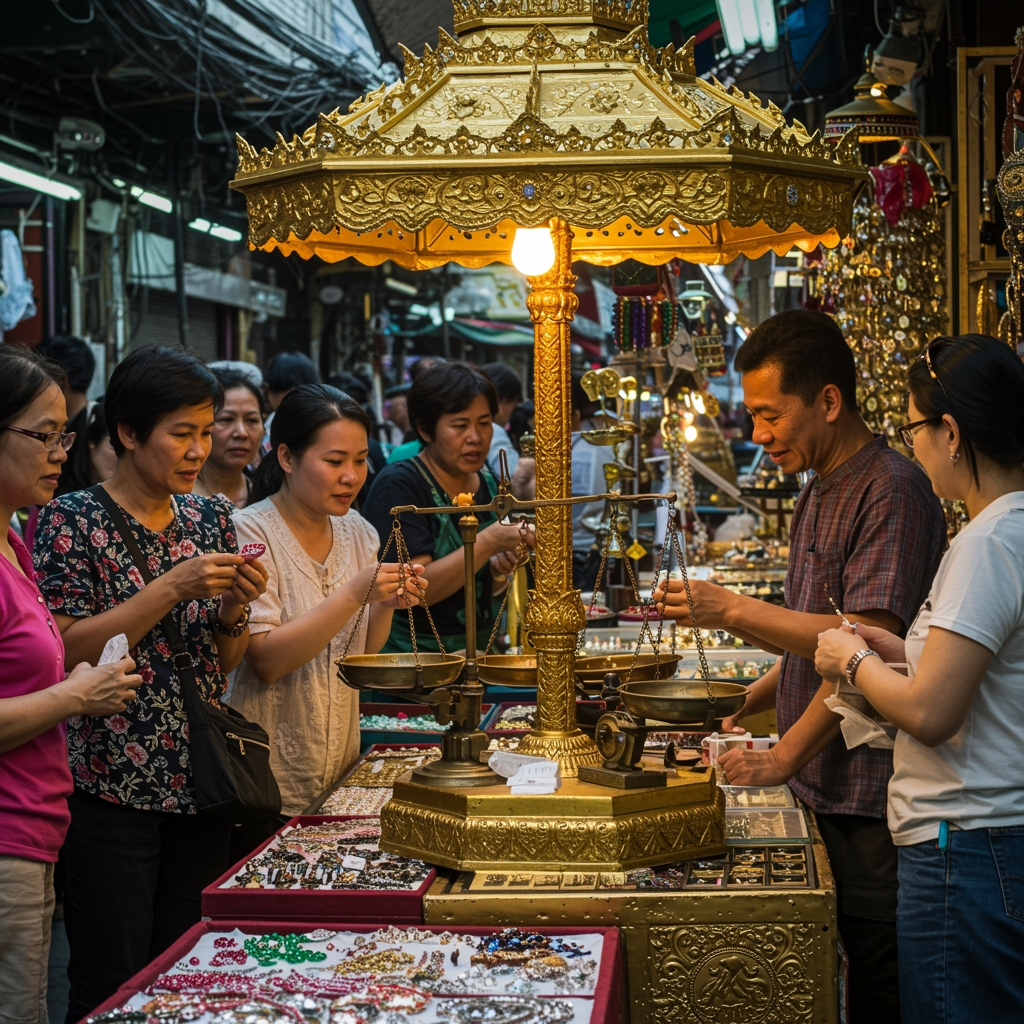
In Thailand, gold is intimately linked with Buddhism: Buddha statues covered in gold leaf, frequent offerings. Bangkok's Gold Trading Center was founded in the 1970s, structuring both a local and international market.
Market characteristics
- Purity: often 23 carats (96.5%), with a copper core for strength.
- Crafts: jewelers trained at Silpakorn University in Bangkok, renowned for their floral and geometric designs.
- Price: low margins, as Thailand exports nearly 20% of its gold production every year.
Good to know: Chiang Mai markets often offer more traditional designs, while Bangkok innovates with contemporary lines.
4. Turkey
From Antiquity to the present day
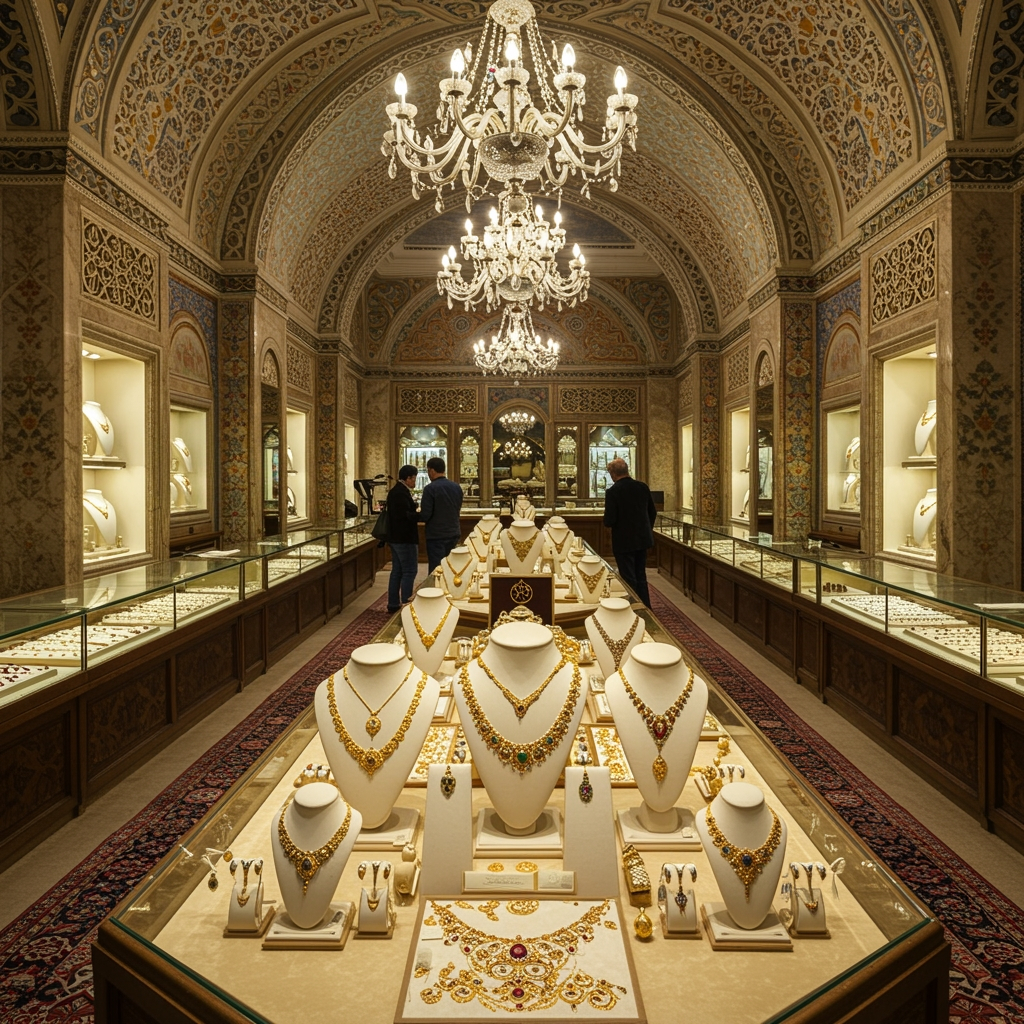
The Anatolian region has been a cradle of metallurgy since the Bronze Age. In Istanbul, the "Çarşı" (Grand Bazaar) has been home to jewelry workshops since the 15th century. Today, Turkey is one of Europe's biggest gold producers, thanks to deposits in the Uşak province.
Economic momentum
- Currency: the Turkish lira has depreciated in recent years, boosting the purchasing power of foreign visitors.
- Fashion: Turkish designers blend Ottoman influences (arabesques) with modern aesthetics.
- Exports: almost 50% of Turkish jewelry is exported to the EU and the Gulf.
Tip: Take advantage of the exchange rate by withdrawing lira on the spot, and avoid using a bank card to negotiate more easily.
5. Egypt
Pharaonic heritage
Gold in Egypt dates back to the Pharaohs: the Aures of Thutmosis III (1500 BC) and the treasure of Tutankhamun bear witness to a thousand years of craftsmanship. Cairo and Luxor are still full of small family-run stores.
Current market
- Prices: indexed to the Egyptian pound, which is weak against the euro or the dollar.
- Craftsmen: often working "à façon", creating bespoke pieces inspired by Egyptian mythology.
- Regulations: beware of counterfeits; ask for a Ministry of Internal Trade stamp.
Tip: In the Khan el-Khalili souks, ask to see the "withdrawn" stock to take advantage of wholesale prices.
6. Indonesia
Balinese tradition
On the island of Bali, gold is used for Hindu ceremonies: necklaces for offerings, ornaments for dancers. Since the 1990s, Bijouterie de Celuk (near Ubud) has specialized in fine goldsmithing.
Sector features
- Purity: usually 22 carats, often combined with freshwater pearls for the Asian market.
- Technique: "krawangan" (extremely fine filigree), stamping.
- Price: low labor costs and direct supply of ingots, which reduces margins.
Caution: Always check the National Mint certificate (PT Antam) for the origin of ingots.
7. Vietnam
Heritage and modernization
In Vietnam, gold is both a traditional investment and an everyday ornament. Fairs in Hanoi and Ho Chi Minh City showcase jewelry inspired by Cham art and the Nguyen dynasty.
Industrial development
- Purity: up to 99.9% for ingots, but jewelry ranges from 18-22 carats.
- Crafts: Thanh Hóa workshops renowned for hand hammering.
- Prices: the low cost of living translates into low margins and very competitive rates.
Bon plan : Achetez dans les grandes bijouteries agréées SAFINA ou SJC pour bénéficier du rachat garanti à la valeur du jour.
⚖️ What you need to know before buying abroad
- Authentication: always ask for an official hallmark and purity certificate (BIS, PT Antam, SJC, etc.).
- Customs: find out about import duties and thresholds in your country of residence.
- Exchange rates: take advantage of weak currencies and avoid conversion fees at the airport.
- Carats and use: 24-carat is pure but more malleable, while 18-22-carat offers a better compromise between strength and brilliance.
Conclusion
Your quest for the ideal gold jewel should be guided as much by quality and authenticity as by knowledge of the local context. Dubai, India and Thailand are all good value for money, but each destination offers a unique palette of expertise and history. Travel informed, compare offers and always ensure the traceability of your gold to make the best investment, whether sentimental or financial.