
Will gold prices rise?
Introduction
Gold has always held a special place in human history and in the global financial system. Considered a safe-haven asset par excellence, its price is the subject of constant attention from investors, central banks and financial analysts. In a global economic context marked by uncertainty, it is legitimate to wonder about the future evolution of the gold price.
Fundamental factors influencing the gold price
Mining production
Global gold production has been relatively stable for several years, hovering around 3,500 tonnes a year. The main producing countries are China, Australia, Russia and the United States. This production stability helps to maintain a certain predictability on the supply side.
The request
Demand for gold comes from several sources:
- Jewelry (around 50% of demand)
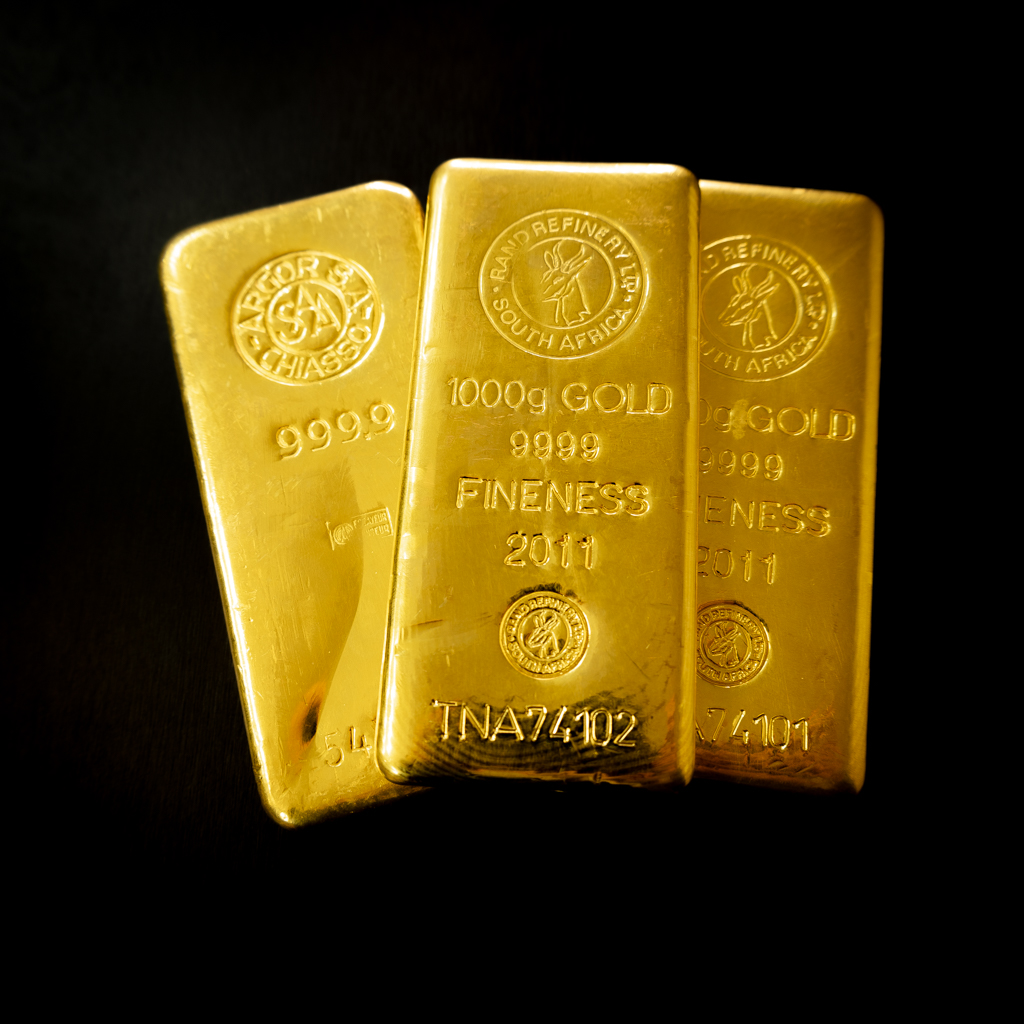
- Investments (ingots and coins)
- Gold-backed ETFs
- Central banks
- The industry
Macroeconomic factors
Inflation
Gold has traditionally been seen as a hedge against inflation. In an environment where central banks have injected massive amounts of liquidity into the economy in recent years, inflationary fears persist, underpinning the appeal of gold.
Interest rates
The level of interest rates is inversely correlated with the price of gold. This is because, unlike bonds, gold generates no intrinsic return. High interest rates make bond investments more attractive than gold.
Analysis of current trends
-
The geopolitical context
Current international tensions (regional conflicts, trade tensions) are creating a climate of uncertainty favorable to gold. Investors are looking for safe havens in times of turbulence, which is supporting demand for the precious metal.
-
Monetary policies
Central banks, particularly in emerging countries, continue to increase their gold reserves. This diversification of foreign exchange reserves provides lasting support for the gold price.
-
The evolution of the dollar
As the price of gold is denominated in dollars, there is an inverse correlation between the strength of the greenback and the price of gold. A weaker dollar tends to push up the price of gold.
Future prospects
-
Bullish scenario
Several factors could support a rise in the price of gold:
- Geopolitical tensions persist
- Accommodating monetary policies maintained
- Fears for the stability of the financial system
- Rising demand from emerging countries
- Weakening dollar
-
Bearish scenario
Conversely, certain factors could weigh on the share price:
- Monetary policy normalization
- Rising real interest rates
- Easing international tensions
- A stronger dollar
- Falling demand for jewelry
-
Forecasts for different horizons
Short-term (6-12 months)
The current context of low interest rates and geopolitical uncertainties should continue to support gold prices. A moderate rise is conceivable.
Medium-term (1-3 years)
Developments will largely depend on monetary policies and the global economic situation. The trend could remain bullish if current support factors persist.
Long-term (>3 years)
In the long term, gold's growing scarcity and safe-haven status should continue to support its price, even if correction phases are possible.
Investment strategies
-
Portfolio diversification
Gold can play an important role in diversifying an investment portfolio. An allocation of 5% to 15% is often recommended by experts.
-
Different forms of investment
Investors can access the gold market in several ways:
- Physical gold (ingots, coins)
- Gold-backed ETFs
- Shares in mining companies
- Derivative products
-
Points to watch
- Storage and insurance costs for physical gold
- Counterparty risk for financial products
- Price volatility
- No yield
An analysis of the various factors influencing the gold price suggests a generally favourable medium-term trend, even if significant fluctuations are possible. Market fundamentals remain solid, with sustained demand from central banks and investors seeking safe-haven assets.
However, it is important to note that the gold market is complex and influenced by numerous, sometimes contradictory factors. A cautious, diversified approach is still recommended for investors.
Against this backdrop, gold retains its traditional role as a safe haven and inflation hedge, justifying its place in a long-term investment strategy. Nevertheless, investors should remain alert to developments in the global economic and geopolitical environment, which could have a significant impact on the price of gold.
The outlook for gold prices will largely depend on the combination of macroeconomic, geopolitical and monetary factors. Constant monitoring of these factors is essential if you are to adapt your investment strategy accordingly.