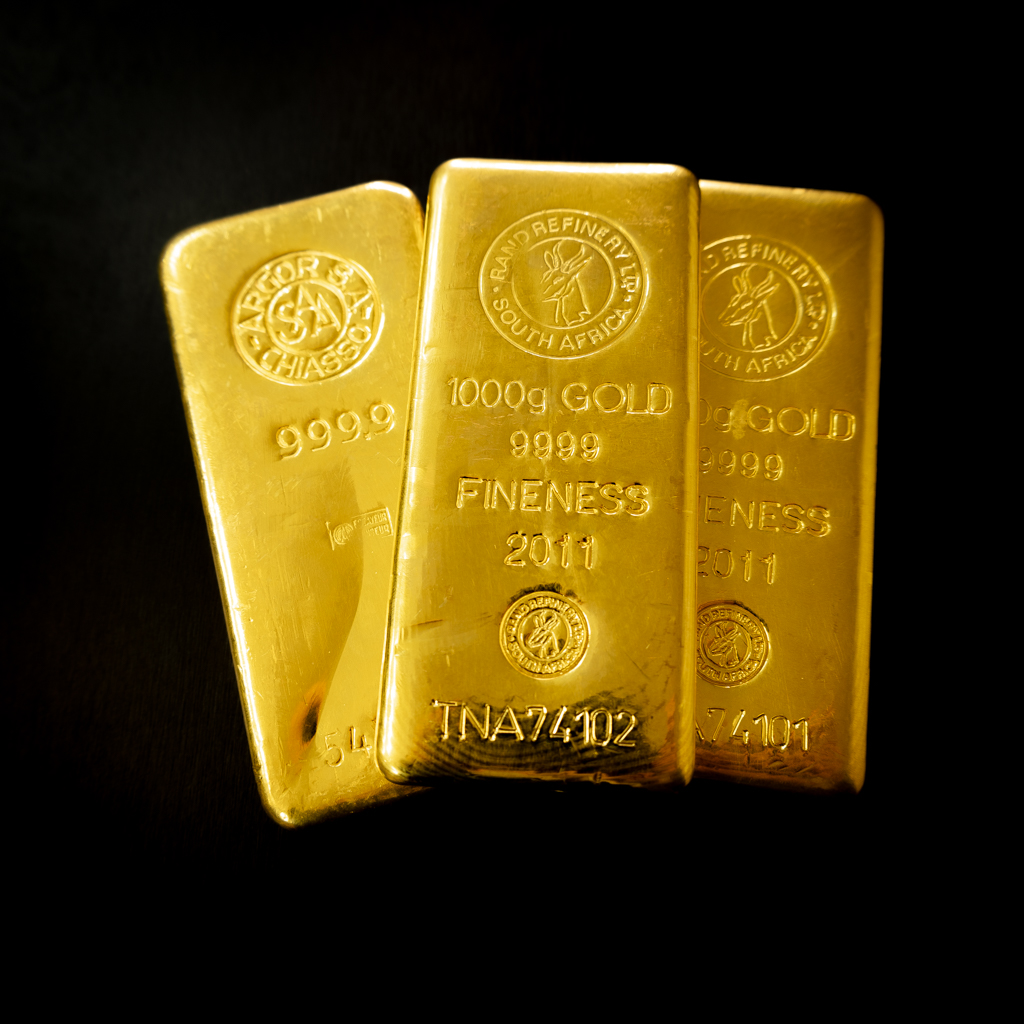

Gold coins from the Middle Ages.
Gold coins from the Middle Ages.
In the Middle Ages, gold was the main currency of exchange. Gold coins were minted by lords and used to pay taxes, rents and salaries. Gold coins were also used to purchase goods and services.
Often overlooked by the general public, yet medieval gold coins are sought-after by collectors, and some can be very valuable.
Caraor, your specialist in buying and selling gold coins in Liège and Rixensart, tells you more about these medieval gold coins.
The history of medieval gold coins.
When we think of medieval gold coins, we often imagine shiny, perfectly preserved pieces.
However, the reality is quite different. Gold coins from the Middle Ages are generally tarnished and damaged. This is partly due to the fact that gold coins were often buried or hidden, which protected them from the elements, but also from thieves. Indeed, thieves would not have hesitated to destroy gold coins if they could have got their hands on them.
The history of medieval gold coins is closely linked to that of the Roman Empire. Indeed, the gold coins of the Middle Ages are almost all copies of the gold coins of the Roman Empire, with a few modifications.
Most medieval gold coins were minted in the mints of the Roman Empire, and many were sent to the West after the fall of the Roman Empire. Medieval gold coins were used for payments, taxes and trade.
Do you own one or more gold coins dating from the Middle Ages and would like to know their value?
Want to sell your medieval denarii, florins and other gold coins?
Make an appointment with Caraor, your specialist in buying medieval gold coins in the province of Liège (Ougrée, Liège, Seraing) and in Walloon Brabant (Wavre, Rixensart, Ottignie).
We will be happy to carry out a free appraisal of your gold coins.
Various gold coins from the Middle Ages.
The golden deniers.
The best-known medieval gold coins are called deniers d'or, or pope's gold deniers. Papal gold deniers were struck with the pope's bust, and the obverse bore the pope's name. The reverse of the coin was engraved with a crucifix. Papal gold denarii were divided into 24 denarii, and weighed around 4.5 grams.
Guilders.
The florins were minted in Florence, Italy, with a bust of a saint, and the obverse bore a cross. The reverse of the coin was engraved with a floral motif. The florins weighed approximately 3.5 grams.
The ducats.
The ducats were struck with the bust of the emperor or king, and the obverse bore the name of the emperor or king. The reverse of the coin was engraved with a floral or religious motif. The ducats were divided into 3 denarii, and weighed around 3.5 grams.
Le Lion d'Or.
The Lion d' Or gold coin dates back to the Middle Ages. It was created in France in 1180 and was used until the 16th century. The coin was made of gold and weighed around three grams. It was divided into four quarters, each representing a lion. The coin also featured a cross on top.
Golden crowns.
The first gold crowns were issued in the 11th century and were generally made from pure gold. However, from the 13th century onwards, gold crowns were often made of gold and silver. The value of the gold crown was generally based on its weight in gold, although some gold crowns were issued with a face value.
The golden sequin.
Gold sequin was created in Italy in the 13th century and was used throughout Europe until the 16th century. Gold sequin was originally made from pure gold, but over time it was made from an alloy of gold and silver. A gold sequin weighed around 3 grams.
The golden shield.
The ecu d'or is an ancient coin of France. It was made of pure gold and minted by hand. The ecu d'or was also known as the "livre". The ecu d'or was stamped with the coat of arms of the Kingdom of France. The last gold shield was issued in 1792, before the French Revolution put an end to the Ancien Régime.
The Golden Noble.
The noble d'or was one of the most common gold coins of the Middle Ages. It was minted from the 10th century onwards and weighed around 3.5 grams of pure gold. The reverse of the coin often featured a cross, symbolizing the Christian faith.
The list of medieval gold coins is long, and not all have been detailed here. So don't hesitate to contact one of Caraor's experts for a free appraisal of your gold coins.
We look forward to welcoming you to one of our stores in Liège or Rixensart.